
IFRS & IAS 🌐 Global IFRS
IFRS 18 Transition & First-Time Adoption: A Practical Roadmap
Part 8 of the IFRS 18 series: retrospective application, mandatory transition disclosures, the early-adoption decision, and a five-stage roadmap to 2027.
Quick Summary
- IFRS 18 is effective for annual periods beginning on or after 1 January 2027, with early adoption permitted subject to disclosure.
- It must be applied retrospectively, meaning the comparative period must also be restated onto the new IFRS 18 basis.
- Mandatory transition disclosures include a full reconciliation of each line item and subtotal from the old IAS 1 presentation to the new IFRS 18 classification.
- A practical transition project runs through five stages: impact assessment, systems/process design, MPM strategy, a dry-run financial statement set, and first-time adoption.
- Early adoption is available but most companies without a specific driver are targeting 2027 while starting preparation now.
IFRS 18 Presentation & Disclosure Series — Part 8 of 8
Part 1: Fundamentals & Overview | Part 2: The Three P&L Categories | Part 3: New Required Subtotals | Part 4: Expenses by Nature vs Function | Part 5: Management-Defined Performance Measures | Part 6: Aggregation & Disaggregation | Part 7: Cash Flow Statement Changes | Part 8: Transition & First-Time Adoption
Effective Date Recap
IFRS 18 Presentation and Disclosure in Financial Statements is effective for annual reporting periods beginning on or after 1 January 2027, with earlier application permitted provided that fact is disclosed. It must be applied retrospectively in accordance with the general requirements of IAS 8, subject to the specific transition reliefs and disclosures IFRS 18 itself provides.
Retrospective Application: What It Actually Requires
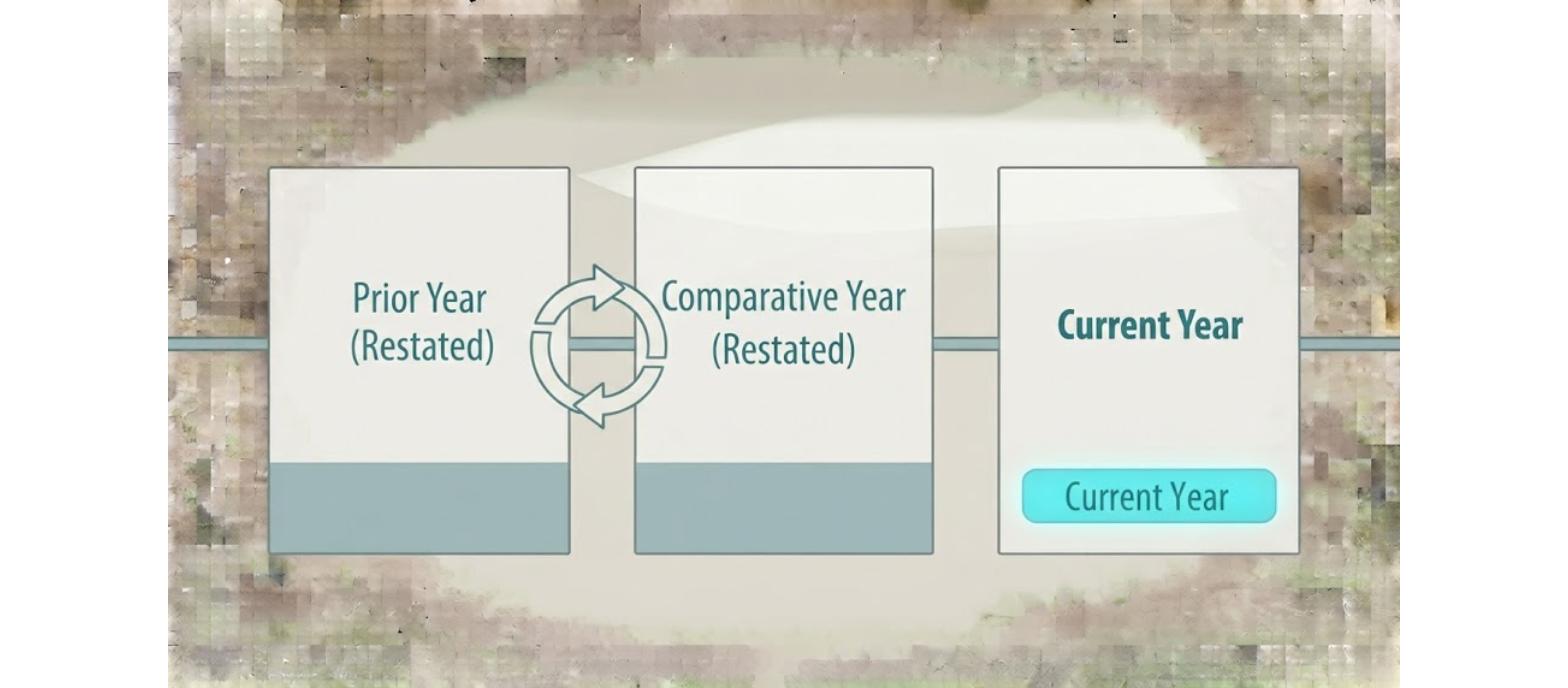
Retrospective application means that, in the first set of financial statements prepared under IFRS 18, an entity must restate its comparative period as if IFRS 18 had always applied — not just apply the new structure prospectively from the effective date. For a calendar-year company first applying IFRS 18 for the year ended 31 December 2027, this means the 31 December 2026 comparative income statement, cash flow statement, and related notes must also be restated onto the new IFRS 18 categories, subtotals, and disclosures.
Mandatory Transition Disclosures
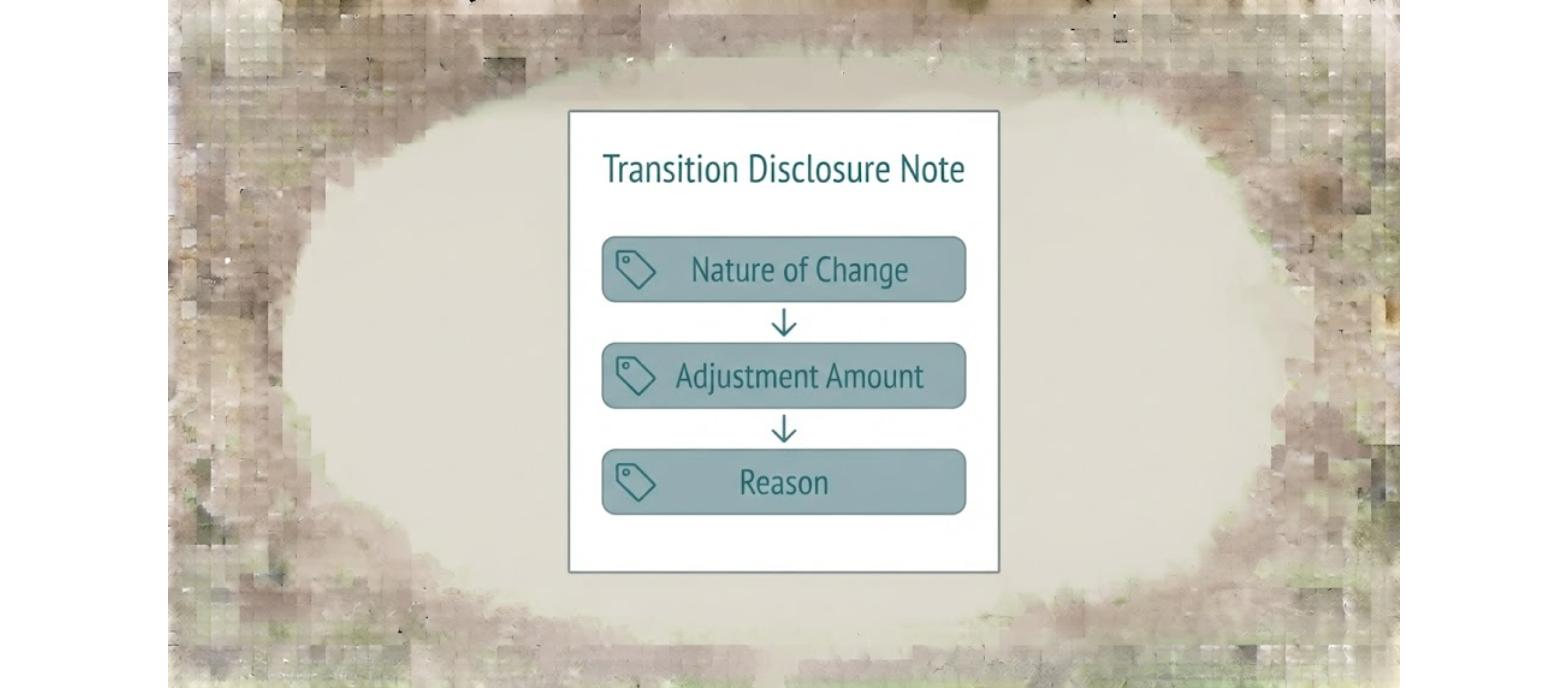
In the year of initial application, IFRS 18 requires specific disclosures to help users bridge from the old presentation to the new one, including:
- A reconciliation of each line item and subtotal previously presented under IAS 1 to its new classification and presentation under IFRS 18, for both the current and comparative period.
- An explanation of any significant reclassifications, particularly where judgement was required (for example, the financing-category discount unwind reclassification, or entity-type carve-outs for lenders and investment entities covered in Part 2).
- Disclosure of which management-defined performance measures (MPMs, covered in Part 5) are being disclosed for the first time, together with their required reconciliations.
These transition disclosures are themselves subject to audit, so the underlying reconciliation workpapers need to be built to an audit-ready standard, not prepared as an informal bridging schedule.
A Practical Transition Roadmap
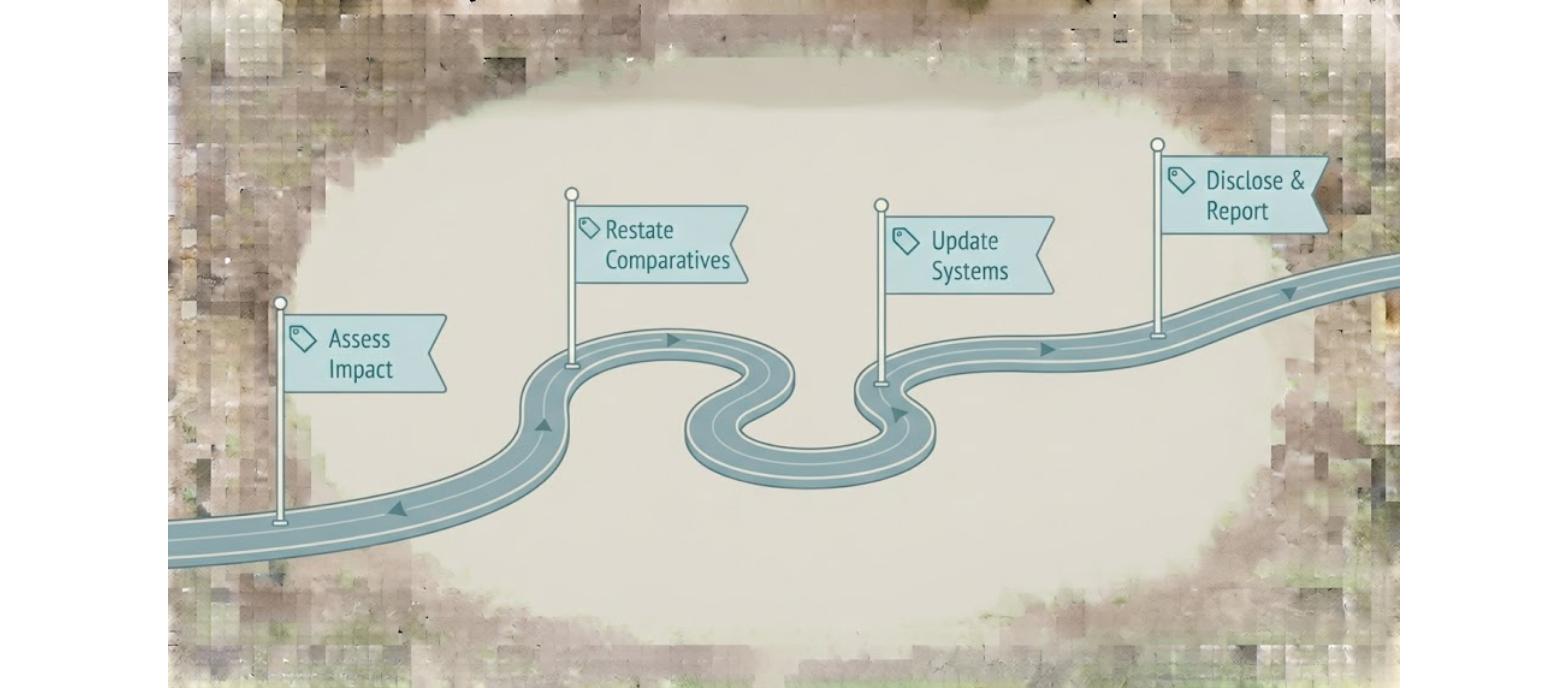
Given the scope of change across classification, subtotals, expense presentation, MPMs, aggregation, and cash flow (Parts 2–7 of this series), most finance teams will need a structured, multi-stage transition project rather than a single year-end exercise. A practical roadmap looks like this:
- Stage 1 — Impact assessment: map the current chart of accounts and income statement to the five IFRS 18 categories, identify entity-type carve-outs (lender/investment entity status), and flag every existing “other” line for review.
- Stage 2 — Systems and process design: design any new general ledger tagging needed for by-nature disclosure (Part 4) and for the new financing-category discount-unwind items; update consolidation templates and reporting packages for group entities.
- Stage 3 — MPM strategy: decide which existing non-GAAP measures will continue to be published, confirm they meet (or fail) the MPM definition, and design the reconciliation note and supporting audit evidence.
- Stage 4 — Dry-run financial statements: prepare a full pro-forma IFRS 18 income statement, cash flow statement, and note set using real prior-year data, ideally at least one full year before the effective date.
- Stage 5 — First-time adoption: finalise the transition reconciliation disclosures, restate comparatives, and have the dry-run statements reviewed by auditors before the first official IFRS 18 reporting period.
Early Adoption: Weighing the Option
Early adoption is permitted, and some companies may consider it advantageous — for example to align with a group parent that is adopting early, or to get ahead of competitors on the new operating-profit comparability story. The trade-off is that early adopters bear the transition cost and judgement calls (particularly around the newer, less-tested areas like MPM classification) without the benefit of seeing how peers, auditors, and regulators settle emerging interpretation questions in the meantime. Most companies without a specific driver for early adoption are choosing to target the mandatory 2027 effective date while starting preparation well in advance.
Series Wrap-Up
This concludes our eight-part IFRS 18 series: from the fundamentals and the reasons behind the standard (Part 1), through classification (Part 2), the two new subtotals (Part 3), expense presentation (Part 4), management-defined performance measures (Part 5), aggregation and disaggregation (Part 6), and the cash flow statement amendments (Part 7), to this transition roadmap. IFRS 18 is a presentation and disclosure standard, not a recognition and measurement standard — but the scale of process and systems change it requires means the 2027 effective date should be treated as an active, multi-year project starting now, not a year-end compliance task.
Common Transition Mistakes
- Treating IFRS 18 as a year-end disclosure update. The scope of classification, systems, and MPM decisions across this series makes it a multi-year project for most companies.
- Forgetting the comparative period must be restated. Retrospective application means the prior year’s figures need to be reworked onto the new basis too, not just the current year.
- Leaving MPM strategy until the last minute. Deciding which adjusted measures to keep, redesign, or retire (Part 5) has audit and investor-communication implications that need lead time.
- Skipping a dry run. Preparing a full pro-forma IFRS 18 statement set using real historical data, well before the effective date, is the single most effective way to surface unexpected classification or systems issues early.
Start Your IFRS 18 Transition Project Today
From impact assessment through to first-time adoption, SABIO Consultancy can support your team at every stage of the IFRS 18 transition — well ahead of the 1 January 2027 effective date. Talk to our IFRS specialists →