
IFRS & IAS 🌐 Global IFRS
IFRS 18’s Changes to the Cash Flow Statement (IAS 7 Amendments)
Part 7 of the IFRS 18 series: the new mandatory starting point for the indirect method, and why interest and dividend cash flows must now follow their income statement classification.
Quick Summary
- IFRS 18 makes consequential amendments to IAS 7 that align the cash flow statement with the new income statement structure.
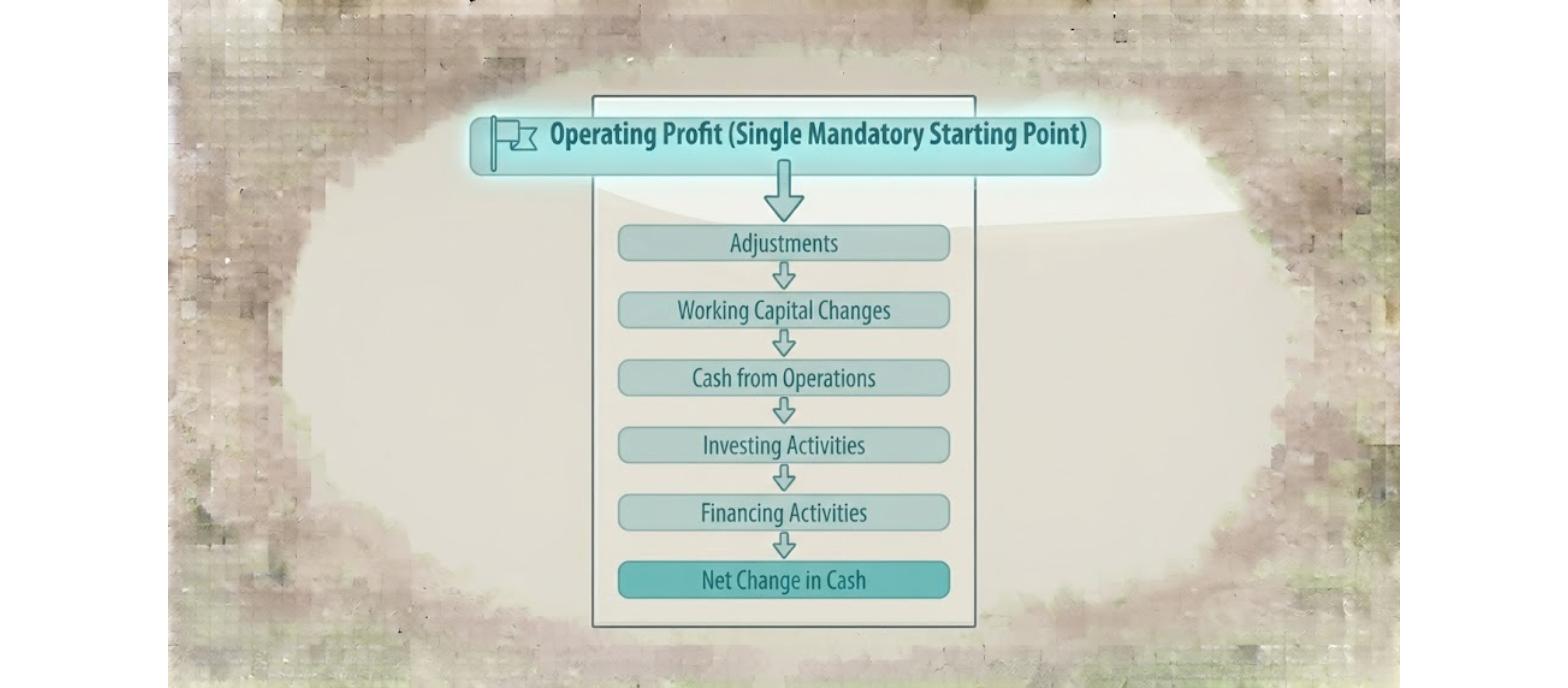
- The indirect-method reconciliation must now start from the new operating profit subtotal, removing the prior choice of starting points.
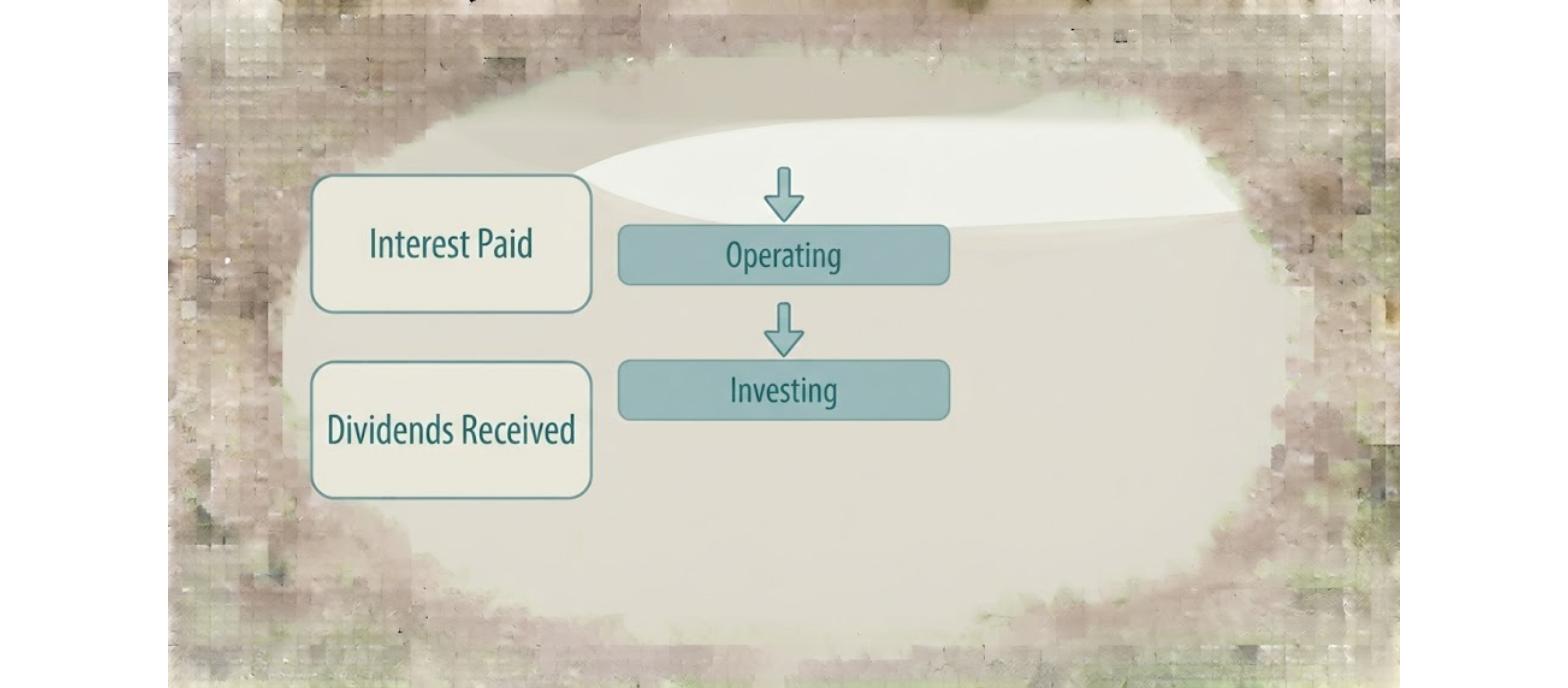
- Interest paid, interest received, and dividends received must now be classified as operating, investing, or financing cash flows consistent with how the related item is classified in the P&L.
- Dividends paid to the entity’s own shareholders remain a financing cash flow.
- The overall three-part cash flow structure, and the direct/indirect method choice, are unchanged.
IFRS 18 Presentation & Disclosure Series — Part 7 of 8
Part 1: Fundamentals & Overview | Part 2: The Three P&L Categories | Part 3: New Required Subtotals | Part 4: Expenses by Nature vs Function | Part 5: Management-Defined Performance Measures | Part 6: Aggregation & Disaggregation | Part 7: Cash Flow Statement Changes | Part 8: Transition & First-Time Adoption
Why IFRS 18 Touches the Cash Flow Statement
IFRS 18 is primarily about the statement of profit or loss, but its introduction of a defined operating profit subtotal and mandatory income/expense categories made two long-standing sources of inconsistency in IAS 7 Statement of Cash Flows impossible to leave unchanged: the starting point for the indirect-method reconciliation, and the free choice companies previously had in classifying interest and dividend cash flows. IFRS 18 makes consequential amendments to IAS 7 to align both with the new income statement structure.
Change 1: A Single Mandatory Starting Point for the Indirect Method
Under IAS 1, companies preparing their cash flow statement using the indirect method could start the reconciliation from a range of points — profit before tax, profit for the year, or occasionally other subtotals — with no single mandated starting figure. IFRS 18 removes this choice: the indirect-method reconciliation must now start from the new operating profit subtotal introduced in Part 3 of this series, and work down to net cash from operating activities through the usual adjustments (depreciation, amortisation, working capital movements, and so on).
This creates a direct, traceable link between the income statement and cash flow statement that did not reliably exist before, since every company will now start from the same conceptual figure.
Change 2: Interest and Dividends Follow Their P&L Classification
Historically, IAS 7 gave companies a free choice in classifying interest paid, interest received, and dividends received or paid as operating, investing, or financing cash flows — leading to real companies in the same industry classifying identical cash flows completely differently. IFRS 18 removes this choice. Instead, these cash flows must now be classified consistently with how the related income or expense item was classified in the statement of profit or loss under the rules from Part 2 of this series:
- Interest paid on a financing liability (classified as financing in the P&L) is presented as a financing cash flow.
- Interest received that is classified as investing income in the P&L is presented as an investing cash flow, unless the entity is a lender for whom it is classified as operating.
- Dividends received follow the classification of the related investment income (typically investing, unless the entity’s main business is investing).
- Dividends paid to the entity’s own shareholders remain a financing cash flow, consistent with prior practice, since they relate to the entity’s own equity financing.
The practical effect is that companies which previously classified, say, interest paid as an operating cash outflow (a common historical choice) may now need to reclassify it as financing, to stay consistent with its financing-category treatment in the income statement.
What Does Not Change
IFRS 18 does not change the overall three-part structure of the cash flow statement (operating, investing, financing activities), the choice between the direct and indirect method for operating activities, or the recognition and measurement of the underlying cash flows themselves. The changes are limited to the starting point for the indirect method and the classification of interest/dividend cash flows — but because nearly every company reports these items, the practical impact is widespread even though the conceptual change is narrow.
Worked Example
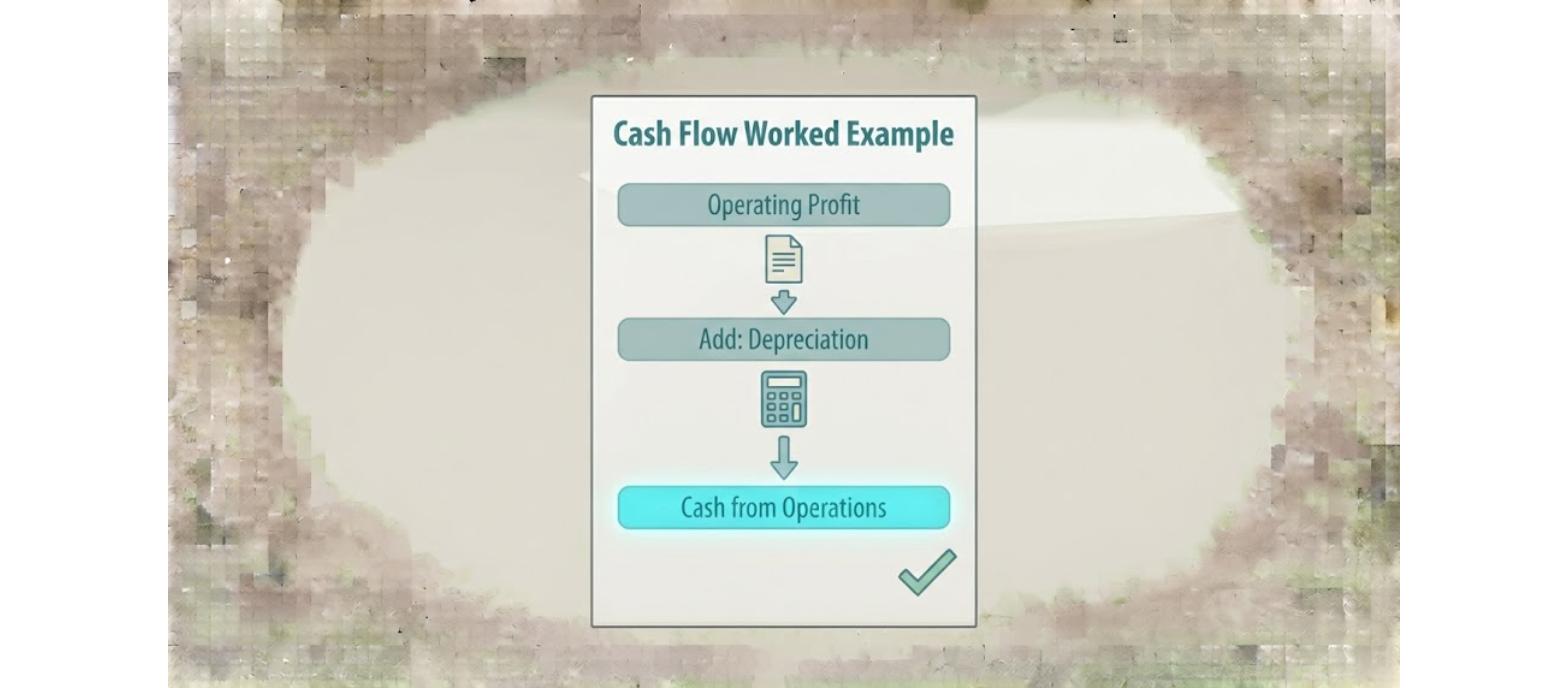
Using the same manufacturing company from earlier parts of this series (operating profit 115; financing category includes interest expense 18 and discount unwind 4; investing category includes interest income 8, associate income 12, and investment property gain 10):
- Indirect-method reconciliation now starts at Operating profit = 115 (not profit before tax or profit for the year), before adding back depreciation, adjusting for working capital movements, and so on to reach net cash from operating activities.
- Interest paid (18) is presented within financing activities in the cash flow statement, matching its financing-category classification in the P&L.
- Interest received (8) is presented within investing activities, matching its investing-category classification.
- The discount unwind of 4 is a non-cash financing charge and is added back in the reconciliation, then reflected as part of the change in the related provision balance within operating or financing activities depending on the nature of the underlying liability.
Reworking historical cash flow statements onto this new basis — even just for internal comparison — is a useful exercise for finance teams to run well before the 2027 effective date.
Common Cash Flow Statement Mistakes
- Starting the indirect-method reconciliation from profit before tax out of habit. IFRS 18 requires starting from operating profit specifically.
- Keeping interest paid in operating activities because that is where it has always sat. It must now follow the P&L classification, which for most companies is financing.
- Forgetting that lenders classify interest differently. For entities whose main business is providing financing, interest income/expense is operating in the P&L, so the related cash flows are operating too.
- Assuming the cash flow statement’s three-part structure changed. Only the starting point and interest/dividend classification changed — the basic operating/investing/financing structure is unchanged.
Rework Your Cash Flow Statement Ahead of 2027
Reclassifying interest and dividend cash flows, and rebasing your indirect-method reconciliation, is worth testing well before first-time adoption. SABIO Consultancy can help rework a prior-year cash flow statement onto the IFRS 18 basis. Talk to our IFRS specialists →