
IFRS & IAS 🌐 Global IFRS
IFRS 18 Aggregation & Disaggregation: The End of the Vague ‘Other’ Line
Part 6 of the IFRS 18 series: the new principle for grouping and separating items, the tightened restriction on ‘other’ labels, and a worked review of a typical other-expenses line.
Quick Summary
- IFRS 18 requires items to be grouped when they share similar characteristics (nature, function, measurement basis) and separated when they do not.
- An ‘other’ item that is individually material can no longer be left with a vague label — it needs a more specific description.
- Even collectively material ‘other’ items (none individually significant) must have their composition disclosed, typically in the notes.
- The face of the statement of profit or loss should stay summarised around the mandatory categories and subtotals, with granular detail moved to the notes.
- Finance teams should review existing ‘other’ lines periodically, not treat them as a static, permanent bucket.
IFRS 18 Presentation & Disclosure Series — Part 6 of 8
Part 1: Fundamentals & Overview | Part 2: The Three P&L Categories | Part 3: New Required Subtotals | Part 4: Expenses by Nature vs Function | Part 5: Management-Defined Performance Measures | Part 6: Aggregation & Disaggregation | Part 7: Cash Flow Statement Changes | Part 8: Transition & First-Time Adoption
Why Aggregation and Disaggregation Needed Clearer Rules
IAS 1 gave only high-level guidance on when items should be grouped together versus shown separately, which left a wide range of practice — some companies buried materially different costs inside a single “other expenses” line, while others fragmented their statements into dozens of immaterial line items. IFRS 18 introduces a clearer principle-based framework for this decision, built around the idea of grouping items that share similar characteristics and separating items that do not.
The Core Principle: Group by Shared Characteristics
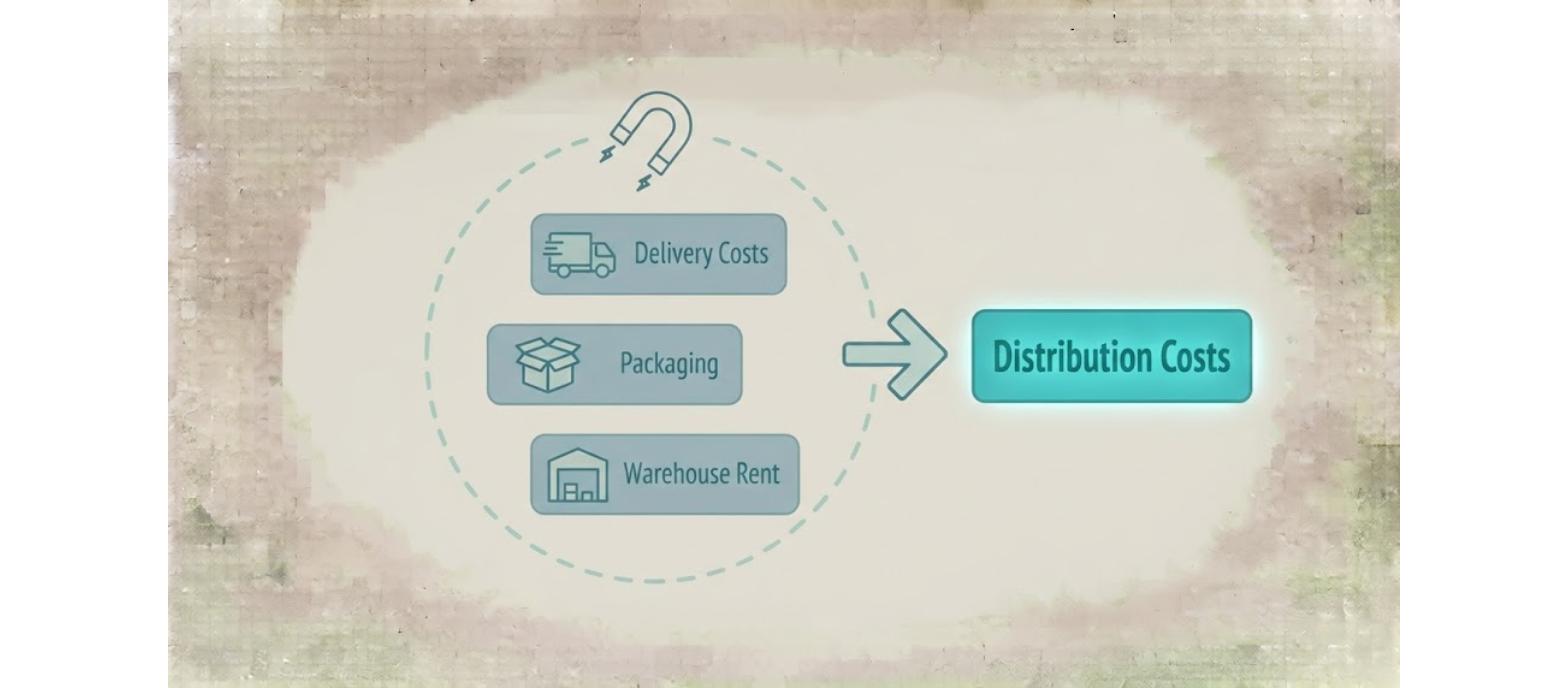
IFRS 18 requires assets, liabilities, equity, income, and expenses to be aggregated (grouped) when they share similar characteristics, and disaggregated (separated) when they do not — characteristics can include the nature of the item, its function within the business, and how it is measured. Two items with different natures or functions should generally not be combined into a single line, even if doing so would be more concise, because it reduces the usefulness of the information for users trying to understand the entity’s performance and predict future cash flows.
The Restriction on “Other” Labels
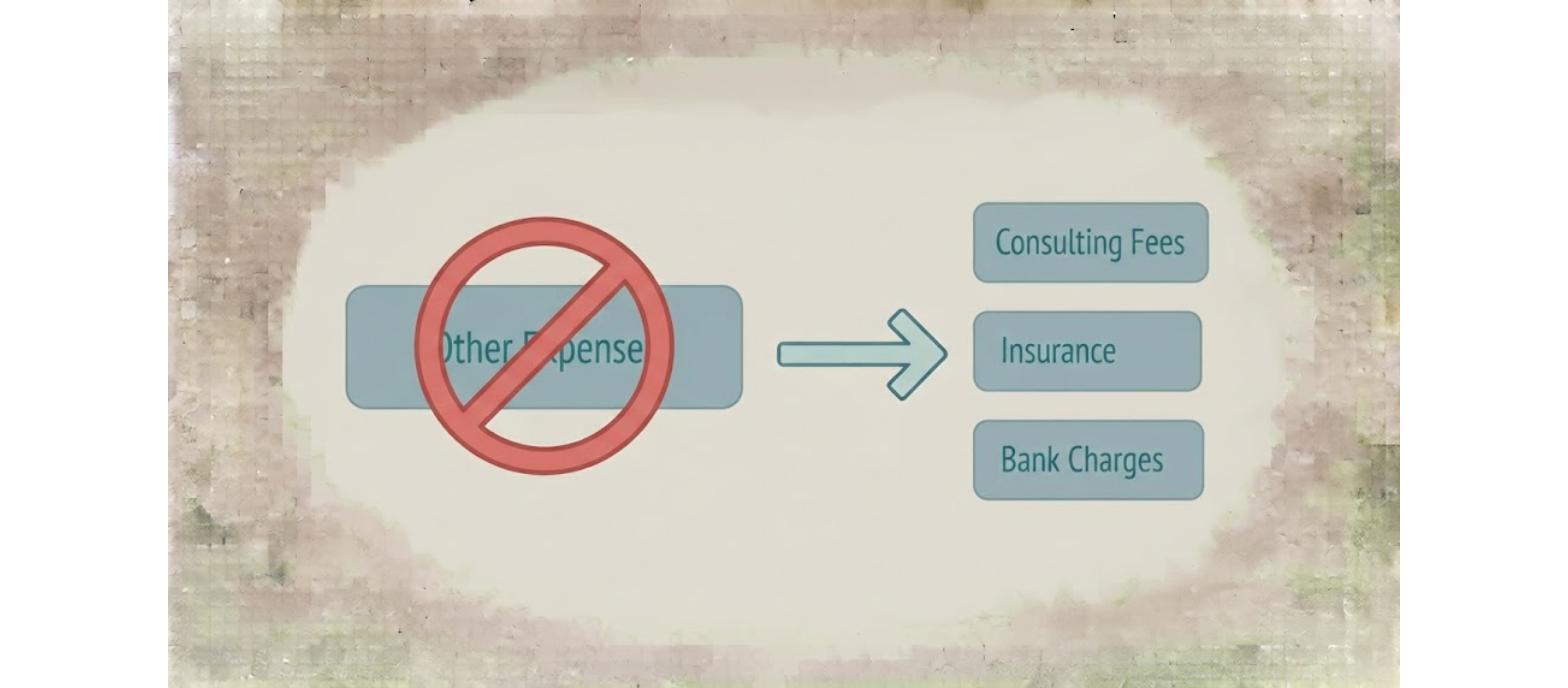
One of the most practical changes in this area is a tighter restriction on residual line items labelled “other,” “miscellaneous,” or similar catch-all terms. Under IFRS 18:
- An “other” item that is individually material must be described using a more specific label that reflects its actual nature or function — it can no longer simply be left as “other”.
- Even when no single item within an “other” grouping is individually material, if the items are collectively material, the entity must disclose what is included within that grouping, typically in the notes.
- Immaterial items can still be grouped together under a genuine “other” heading, but only once the materiality assessment above has been properly performed — “other” cannot be used as a shortcut to avoid that assessment.
In practice, this means finance teams need to actively monitor the composition of every “other” line each period, rather than treating it as a permanent, static bucket.
Roll-Forward and Level of Detail on the Face vs Notes
IFRS 18 also clarifies the relationship between the face of the primary statements and the notes: the face of the statement of profit or loss should show a summarised, aggregated view built around the mandatory categories and subtotals, while more granular disaggregation — the specific components that make up each line — belongs in the notes. This two-tier structure is intended to keep the primary statements readable while still giving users access to the underlying detail they need.
Worked Example: Fixing an “Other Expenses” Line
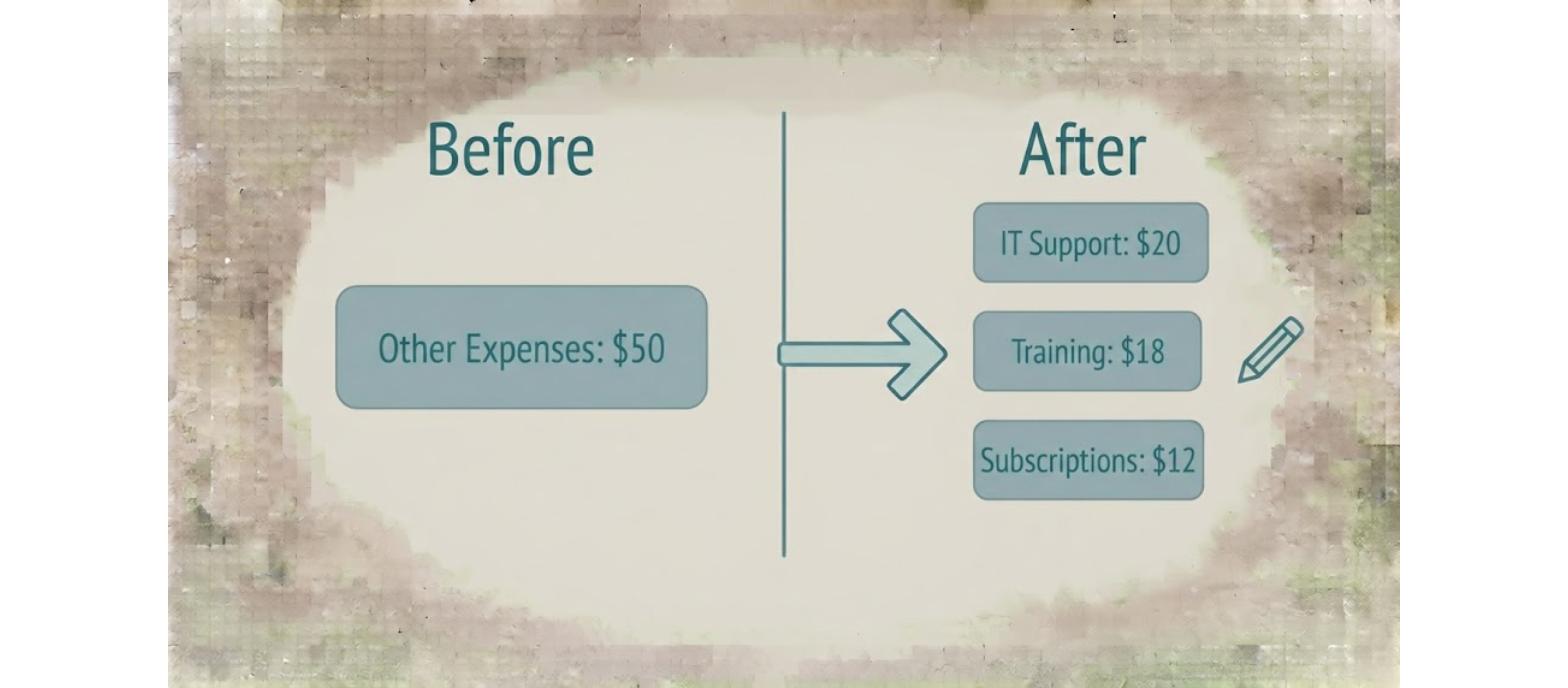
Suppose a company’s draft income statement includes a line “Other operating expenses: 42”, made up internally of a bad debt write-off of 22, foreign exchange losses of 4, and a range of small individually immaterial items of 16 in total.
- The bad debt write-off of 22 is individually material relative to the 42 total and to operating profit as a whole, so under IFRS 18 it cannot remain buried in “other” — it needs its own line or, at minimum, separate disclosure of its nature and amount.
- The foreign exchange loss of 4 and the remaining 16 of small items may be collectively material even though none is individually significant — if so, the notes must describe what makes up this remaining balance.
- The revised presentation separates out “Bad debt write-off: 22” as its own line, and retains a genuinely residual “Other operating expenses: 20” with a note describing its composition.
This kind of review — going back through existing “other” lines and testing whether they still qualify for that label — is a practical first step many finance teams can start now, well ahead of the IFRS 18 effective date.
Common Aggregation Mistakes
- Treating “other” as a permanent catch-all. The composition of every residual line must be reassessed each period as balances change.
- Combining items with different natures purely for brevity. IFRS 18 explicitly discourages combining dissimilar items even if it shortens the statement.
- Assuming only individually material items need separate disclosure. Collectively material immaterial-looking items still require composition disclosure.
- Over-disaggregating the face of the statement. Excessive line-item detail on the face defeats the purpose of a summarised primary statement — detail belongs in the notes.
Review Your ‘Other’ Lines Before 2027
A structured review of every residual or ‘other’ line in your income statement is a quick, high-value first step toward IFRS 18 readiness. SABIO Consultancy can run this review alongside your existing reporting team. Talk to our IFRS specialists →