
IFRS & IAS 🌐 Global IFRS
IFRS 18: Expenses by Nature vs by Function
Part 4 of the IFRS 18 series: the surviving nature/function presentation choice, and the new mandatory by-nature note disclosure for companies that present by function.
Quick Summary
- IFRS 18 keeps the existing choice of presenting operating expenses by nature or by function on the face of the statement of profit or loss.
- The method chosen must be whichever gives the most useful structured summary of expenses, applied consistently.
- Entities that present by function must now also disclose specified by-nature information in the notes — at minimum depreciation, amortisation, employee benefits expense, and impairment losses/reversals in the operating category.
- This creates a new dual-tracking burden for by-function presenters, often requiring new general ledger tagging.
- The face-of-statement total does not change between methods — only where the by-nature detail is shown.
IFRS 18 Presentation & Disclosure Series — Part 4 of 8
Part 1: Fundamentals & Overview | Part 2: The Three P&L Categories | Part 3: New Required Subtotals | Part 4: Expenses by Nature vs Function | Part 5: Management-Defined Performance Measures | Part 6: Aggregation & Disaggregation | Part 7: Cash Flow Statement Changes | Part 8: Transition & First-Time Adoption
The Nature vs Function Choice Still Exists — But With New Constraints
IAS 1 allowed companies to present operating expenses either by nature (depreciation, employee benefits, raw materials, and so on) or by function (cost of sales, distribution costs, administrative expenses), and this basic choice survives under IFRS 18. What changes is the guidance around how to make that choice and what must be disclosed regardless of which method is used.
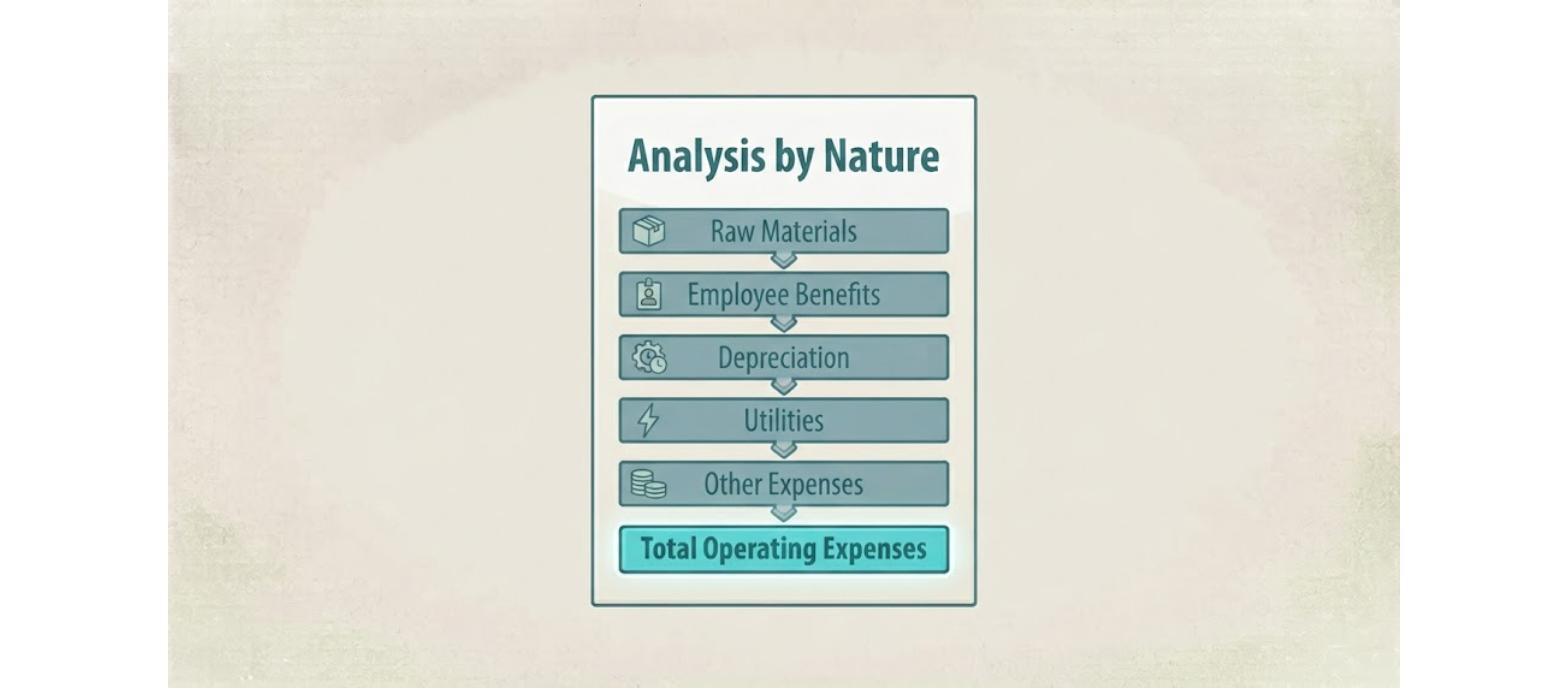
Method 1: Analysis by Nature
Under a by-nature presentation, operating expenses are grouped according to their economic character regardless of which function within the business incurred them — for example total depreciation and amortisation across the whole entity, total employee benefits expense, total raw materials and consumables used, and other expenses by type. This method is generally simpler to prepare because it maps directly to the general ledger and does not require allocating costs between functions.
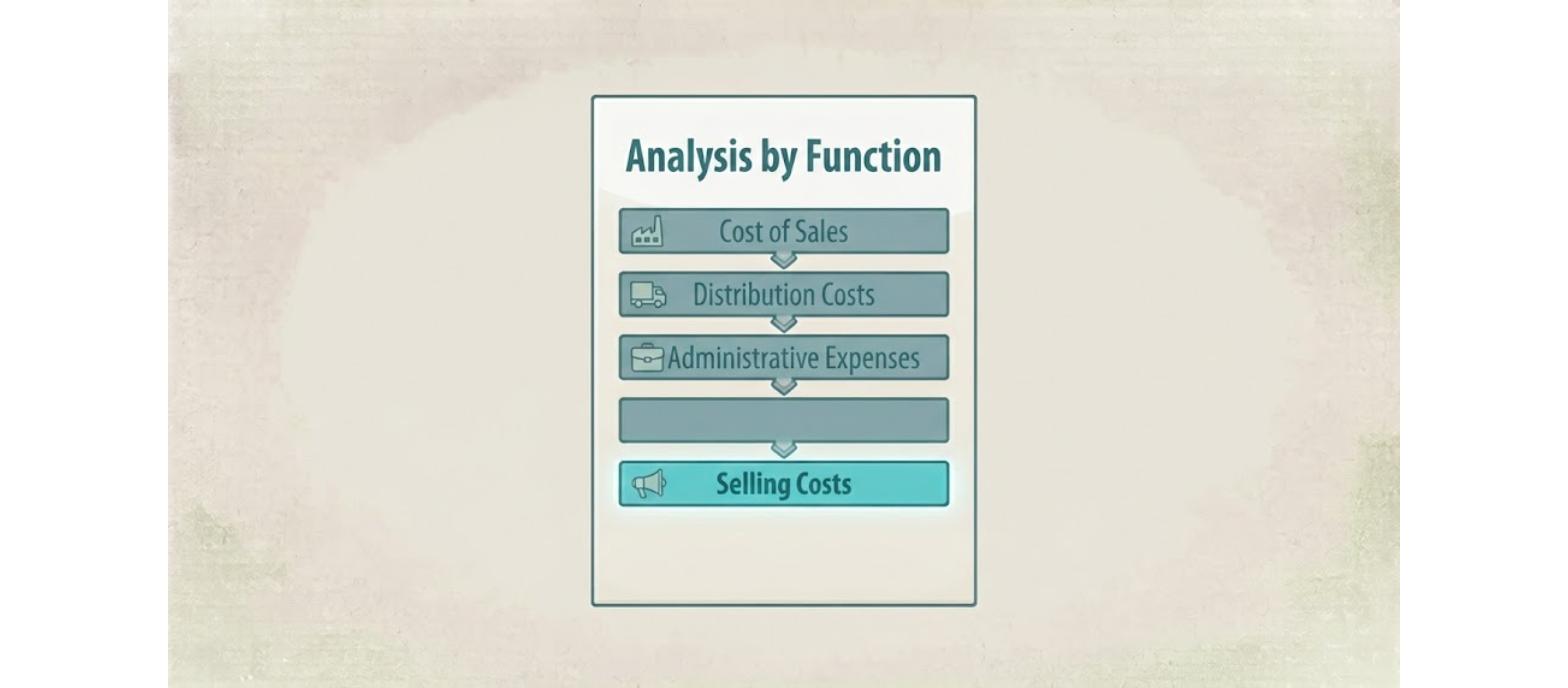
Method 2: Analysis by Function
Under a by-function presentation, expenses are grouped according to the activity they relate to — cost of sales, selling and distribution costs, administrative expenses, and similar functional groupings. This method is often seen as more useful for predicting future cash flows because it aligns with how management actually runs the business, but it requires more judgement to allocate mixed costs (for example, allocating a shared warehouse’s depreciation between cost of sales and distribution).
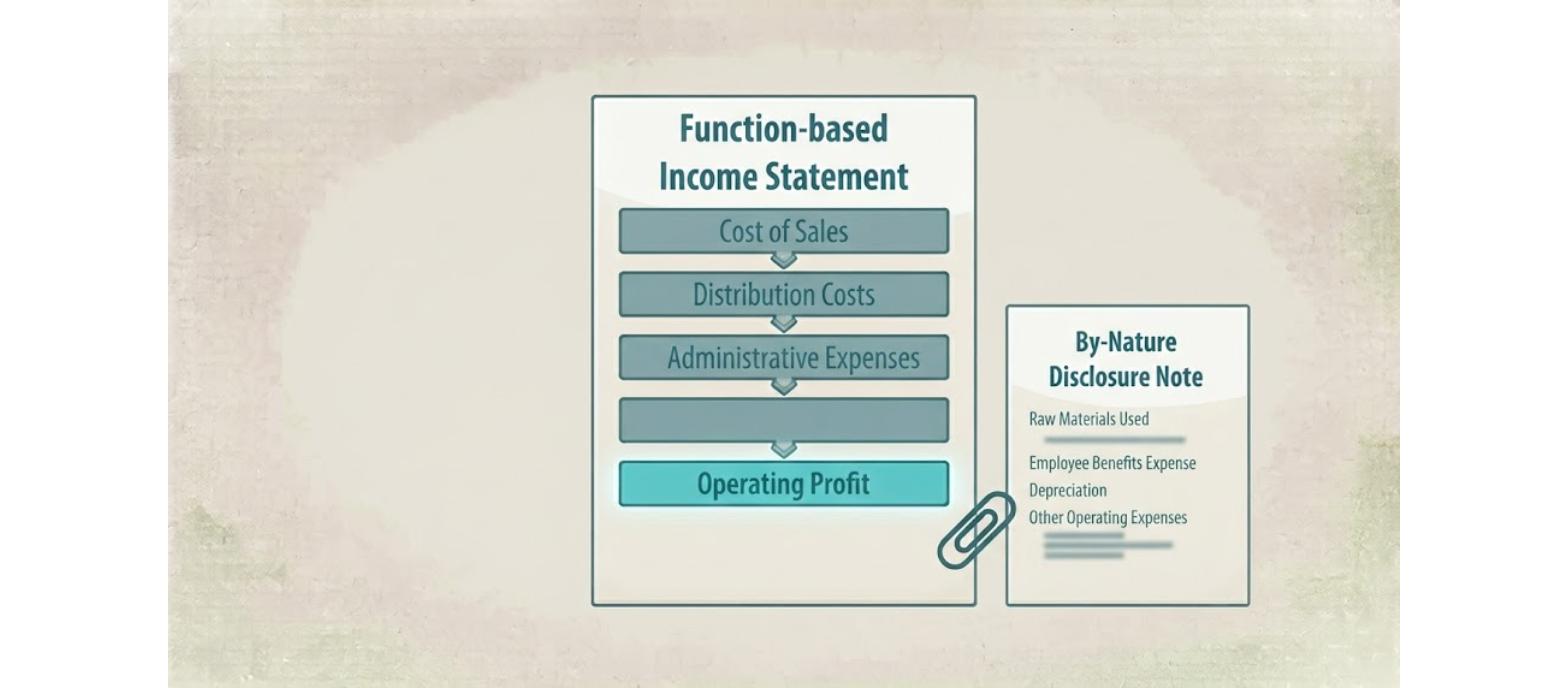
The New Requirement: By-Nature Disclosure Even If You Present By Function
This is the single most impactful practical change in this area. If an entity chooses to present its operating expenses by function on the face of the statement of profit or loss, IFRS 18 requires it to also disclose specified by-nature information in the notes — at minimum, depreciation, amortisation, employee benefits expense, and impairment losses (and reversals) recognised in the operating category, plus any other by-nature information needed for the disclosure to be useful. In effect, every by-function presenter must now also maintain a reliable by-nature cost breakdown, something that previously only by-nature presenters needed to track directly.
This dual-tracking requirement is one of the biggest system and process changes triggered by IFRS 18 for companies that use a functional income statement — many finance teams will need new general ledger tagging or cost-centre mapping to produce this note reliably every period.
Choosing the Method That Gives the Most Useful Information
IFRS 18 is explicit that the method chosen — by nature or by function — should be whichever provides the most useful structured summary of expenses for users of the financial statements, considering the entity’s industry and how management monitors the business internally. This is a judgement call to be made and documented by management, not a free choice with no basis, and it should be applied consistently period to period unless facts and circumstances genuinely change.
Worked Comparison
Consider a retail company with total operating expenses of 200, made up of employee benefits 90, depreciation 30, occupancy costs 40, and other expenses 40.
- By nature (face of statement): Employee benefits 90; Depreciation 30; Occupancy costs 40; Other expenses 40; Total 200.
- By function (face of statement): Cost of sales 120; Selling and distribution costs 50; Administrative expenses 30; Total 200 — with a mandatory note disclosing that, of this 200, employee benefits expense was 90, depreciation was 30, and any impairment losses recognised in operating expenses, split out by nature.
The face-of-statement total is identical either way — what changes is where the by-nature detail sits, and whether it is disclosed at all.
Common Mistakes With Nature vs Function
- Assuming by-function presenters are exempt from by-nature disclosure. The opposite is true — IFRS 18 specifically targets by-function presenters with a new by-nature note requirement.
- Underestimating the systems work. Producing a reliable by-nature breakdown from a functionally organised general ledger often requires new cost-centre tagging, not just a one-off spreadsheet exercise.
- Treating the nature/function choice as arbitrary. IFRS 18 expects the choice to be justified by which method gives more useful information, and applied consistently.
- Missing impairment losses in the by-nature note. Impairment losses and reversals recognised in the operating category are specifically required in the note, not just depreciation and employee costs.
Prepare Your By-Nature Expense Note Now
If your income statement is presented by function, building the new mandatory by-nature note will likely require general ledger changes — the earlier this is scoped, the smoother the 2027 transition. SABIO Consultancy can help design the mapping. Talk to our IFRS specialists →