
IFRS 9 Derecognition Rules for Financial Assets and Liabilities
A practical walkthrough of the IFRS 9 derecognition model — the risks-and-rewards and control tests for financial assets, and the substantial-modification test for financial liabilities.
Quick Summary
- Derecognition means removing a previously recognized financial asset or financial liability from the balance sheet.
- Assets are derecognized based on a sequential test: first the contractual rights to cash flows, then a transfer analysis, then a risks-and-rewards test, and finally a control test.
- Liabilities are derecognized when the obligation is discharged, cancelled, or expires — and a sufficiently significant modification of terms is treated as an extinguishment of the old liability and recognition of a new one.
- The 10% test is the standard’s quantitative threshold for judging whether a liability modification is “substantial” enough to trigger derecognition.
- Partial derecognition is possible when a transfer relates to a fully proportionate, specifically identified share of an assets cash flows, with any gain or loss measured based on the relative fair values of the retained and transferred portions.
Scope & Objective
The derecognition requirements in IFRS 9 apply to all financial assets and financial liabilities within the standard’s scope. The objective is to ensure that an asset or liability is only removed from the balance sheet when the entity has genuinely lost control of the asset (or transferred substantially all of the risks and rewards of ownership), or, for liabilities, when the obligation has genuinely been settled, cancelled, or has expired, or has been modified so substantially that it is in substance a new liability. Getting derecognition analysis right matters well beyond balance sheet presentation: it directly affects leverage ratios, covenant compliance calculations, and the gain or loss reported in profit or loss for the period in which a transfer or modification occurs.

The Financial Asset Derecognition Decision Sequence
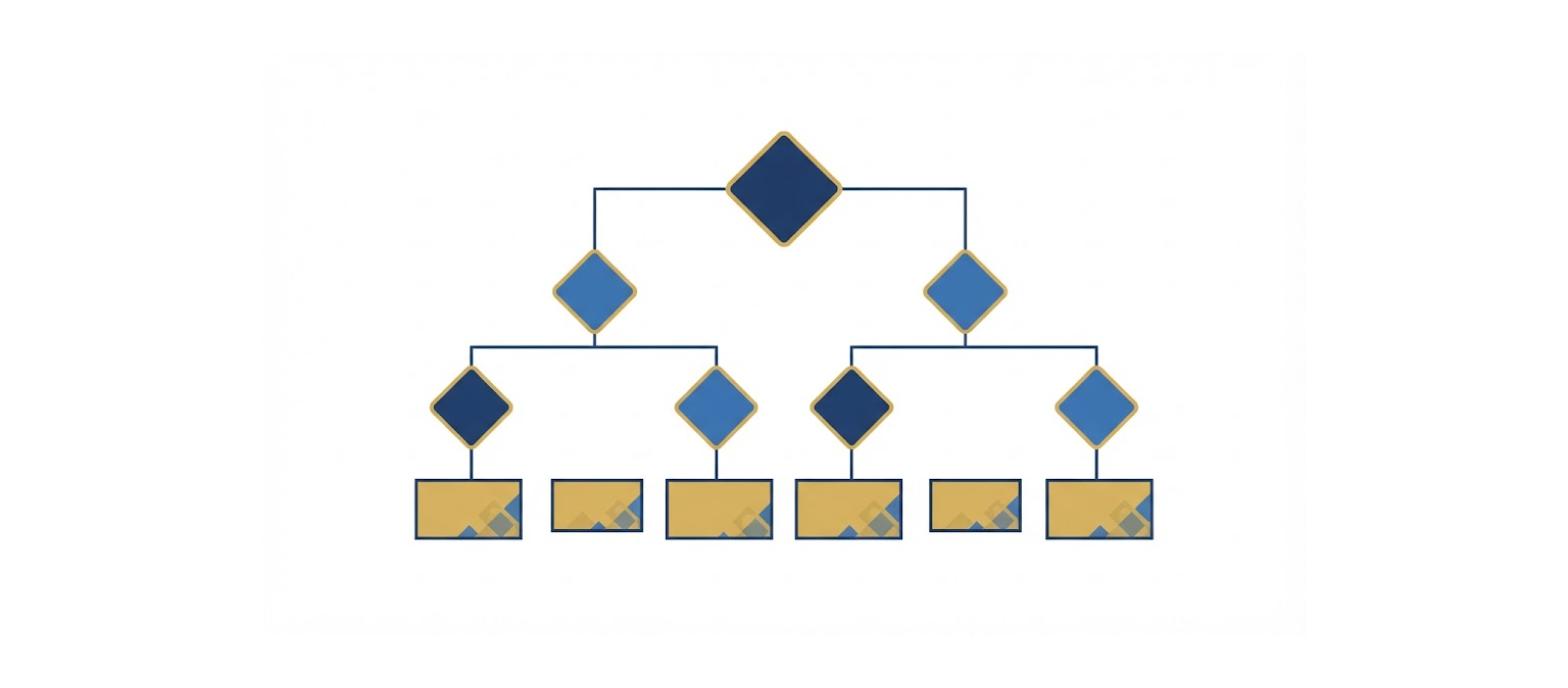
IFRS 9 sets out a step-by-step decision sequence for financial asset derecognition, applied in order:
| Step | Question | Outcome |
|---|---|---|
| 1 | Have the contractual rights to the cash flows from the asset expired? | If yes, derecognize. If no, proceed. |
| 2 | Has the entity transferred the asset (transferred the contractual rights to receive the cash flows, or retained the rights but assumed a contractual obligation to pass them on)? | If no transfer, continue to recognize the asset. If transferred, proceed. |
| 3 | Has the entity transferred substantially all the risks and rewards of ownership? | If yes, derecognize. If substantially all risks and rewards are retained, continue to recognize. |
| 4 | Has the entity retained control of the asset? | If control is retained, continue to recognize to the extent of continuing involvement. If control has passed, derecognize. |
Risks and Rewards, and the Control Test
When a transfer of an asset occurs, the entity must evaluate whether it has transferred substantially all the risks and rewards of ownership:
- Substantially all risks and rewards transferred — derecognize the asset in full, and separately recognize any rights and obligations created or retained in the transfer.
- Substantially all risks and rewards retained — continue to recognize the asset in its entirety, and recognize a financial liability for any consideration received (this is common in sale-and-repurchase or securities-lending arrangements).
- Neither substantially transferred nor substantially retained — proceed to the control test: if the transferee has the practical ability to sell the asset unilaterally to an unrelated third party, control has passed and the asset is derecognized; if not, the entity continues to recognize the asset to the extent of its continuing involvement.
Continuing involvement in practice: Recognizing an asset “to the extent of continuing involvement” means the carrying amount is limited to the entity’s remaining exposure to changes in the value of the transferred asset — for example, the maximum amount the entity could be required to repay under a guarantee it has provided to the transferee.
Derecognition of Financial Liabilities
A financial liability is derecognized when the obligation specified in the contract is discharged, cancelled, or expires. This most commonly happens through payment to the creditor, legal release from primary responsibility, or the lapse of the underlying obligation.
A more complex scenario arises when a borrower and lender exchange an existing debt instrument for a new one with substantially different terms, or when the terms of an existing liability are substantially modified. IFRS 9 treats a substantial modification as an extinguishment of the original liability and the recognition of a new one at fair value, with the difference recognized in profit or loss.
Both cash flows are discounted using the original effective interest rate of the liability — a concept closely related to the timing principles in our IFRS 15 Revenue Recognition guide. If the 10% threshold is met (or if qualitative factors indicate a substantial change even below 10%, such as a change in currency, a change from fixed to floating rate, or the addition of a substantive equity conversion feature), the modification is accounted for as a derecognition of the old liability and recognition of a new one — any transaction costs incurred are expensed as part of the gain or loss on extinguishment. If the modification is not substantial, the liability is not derecognized; instead, its carrying amount is recalculated by discounting the revised cash flows at the original effective interest rate, with any adjustment recognized in profit or loss.
Pass-Through Arrangements
An entity that retains the contractual right to receive cash flows from an asset, but assumes a contractual obligation to pass those cash flows on to one or more recipients, can still qualify as a “transfer” for derecognition purposes — but only if all three of the following pass-through conditions are met:
- The entity has no obligation to pay amounts to the eventual recipients unless it collects equivalent amounts from the original asset.
- The entity is prohibited by the terms of the transfer contract from selling or pledging the original asset, other than as security to the eventual recipients.
- The entity is obligated to remit any cash flows it collects on behalf of the eventual recipients without material delay, and is not entitled to reinvest such cash flows except in cash or cash equivalents during the short settlement period, with interest earned passed on to the recipients.
These conditions exist to distinguish a genuine pass-through structure — where the originating entity is effectively acting as a conduit — from an arrangement where the entity retains meaningful economic exposure or control that should keep the asset on its balance sheet.

Partial Derecognition and Gain/Loss Measurement
Derecognition does not always apply to an asset in its entirety. IFRS 9 permits partial derecognition when a transfer relates to a specifically identified, fully proportionate share of the cash flows from a financial asset (or a fully proportionate share of a specifically identified group of similar assets) — for example, an entity that sells a 30% pro-rata interest in a loan while retaining the remaining 70%.
When partial derecognition applies, the previous carrying amount of the asset is allocated between the part that continues to be recognized and the part that is derecognized, based on the relative fair values of those parts on the date of the transfer. The gain or loss on derecognition is calculated as the difference between the carrying amount allocated to the derecognized part and the sum of the consideration received (including any new asset obtained less any new liability assumed) and any cumulative gain or loss previously recognized in other comprehensive income relating to that part.
Illustrative Example: Applying the 10% Test
A company has a loan with a remaining carrying amount and present value of original cash flows of $1,000,000, discounted at the loan’s original effective interest rate. The lender agrees to modify the repayment schedule and interest rate. Discounting the revised cash flows at the same original effective interest rate produces a present value of $1,150,000.
| Item | Amount |
|---|---|
| PV of original cash flows | $1,000,000 |
| PV of new cash flows (at original EIR) | $1,150,000 |
| Difference | $150,000 |
| Percentage difference | 15% |
Because the 15% difference exceeds the 10% threshold, the modification is treated as substantial. The company derecognizes the original liability, recognizes a new liability at the fair value of the modified terms, and recognizes the difference between the carrying amount of the old liability and the fair value of the new one as a gain or loss on extinguishment in profit or loss.
Common Mistakes in Applying Derecognition
- Stopping the analysis at the risks-and-rewards test — when risks and rewards are neither substantially transferred nor substantially retained, entities must still apply the control test rather than defaulting to derecognition or continued recognition.
- Using the new liability’s interest rate to discount cash flows in the 10% test — both the original and new cash flows must be discounted at the original effective interest rate for the comparison to be valid.
- Ignoring qualitative modification indicators — a change in currency of denomination, conversion features, or a change in the subordination of the instrument can make a modification substantial even when the quantitative 10% threshold is not met.
- Netting fees against the gain or loss inconsistently — fees paid to the lender should reduce the extinguishment gain/loss for a substantial modification, but fees for a non-substantial modification adjust the liability’s carrying amount instead and are amortized over the remaining term.
- Applying the pass-through conditions loosely — all three pass-through conditions must be met strictly; failing even one (for example, allowing reinvestment beyond cash and cash equivalents) means the arrangement does not qualify as a transfer at all, and the asset continues to be recognized in full.
Need Help Assessing a Modification or Derecognition Event?
SABIO Consultancy’s financial advisory and compliance team helps organizations apply the IFRS 9 derecognition model correctly, run the 10% test, and document the accounting conclusions.